Thailand launches its first national ecosystem assessment for marine and coastal ecosystems
- News
A five-year scientific effort delivers the first integrated picture of the country’s seas and coasts — a roadmap for putting nature at the heart of national development.
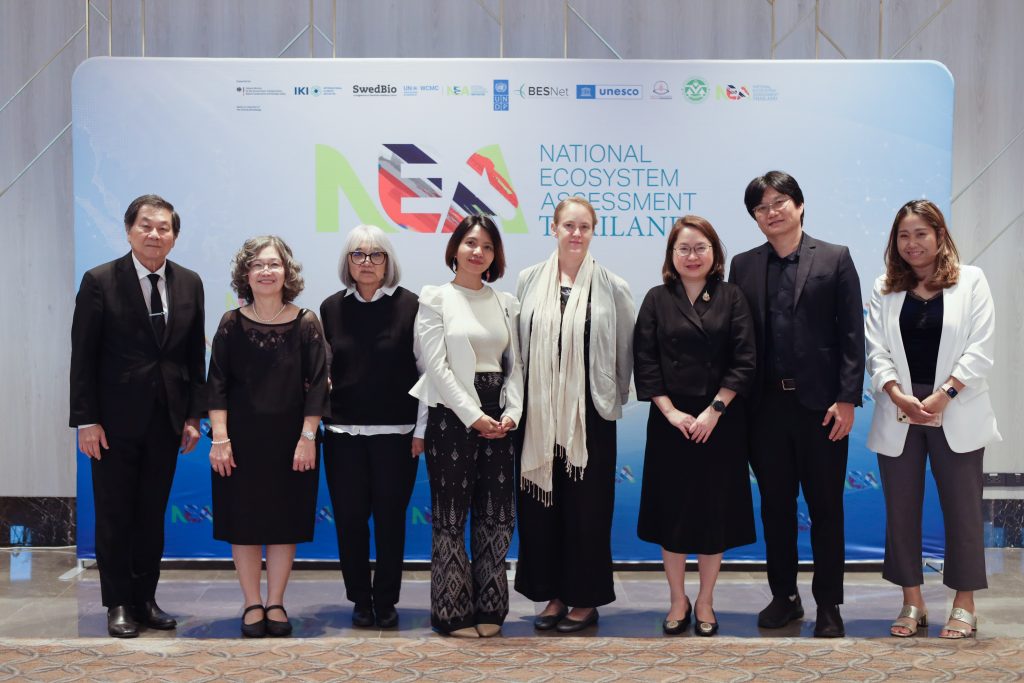
Bangkok, 16 June 2026 – Thailand has launched its first national ecosystem assessment for marine and coastal ecosystems, a milestone in connecting science with policy for biodiversity conservation and sustainable development. Held under the theme “From Knowledge to Policy to Nature-Positive Action,” the launch brought together government agencies, academia, civil society, local communities, youth networks, the private sector, United Nations organisations and development partners, and the media to consider how scientific evidence can shape the future of Thailand’s seas and coasts.
The event was organised by Chula Unisearch, Chulalongkorn University, in collaboration with the Office of Natural Resources and Environmental Policy and Planning (ONEP) under the Ministry of Natural Resources and Environment (MNRE), together with national partners. It was also supported by international partners, including the Biodiversity and Ecosystem Services Network (BES-Net) and its partners UNDP, UNEP-WCMC and UNESCO.
A strong international partnership
Professor Dr Padermsak Jarayabhand, Project Director, opened the event, followed by the Deputy Secretary-General of ONEP and representatives from relevant UN agencies, including UNEP COBSEA, UNESCO, and UNDP. Their presence, including UNEP-WCMC reflected the international partnership that has supported Thailand throughout the five-year assessment, and the shared goal of building biodiversity and ecosystem services into national development planning.
The ceremonial launch of the assessment report marked the shift from scientific assessment to policy and action.

Nature as a national asset
In the morning keynote, Professor Dr Sanit Aksornkoae, Chairperson of the Drafting Committee for Thailand’s 14th National Economic and Social Development Plan, recognized that healthy ecosystems are essential national assets and should anchor the country’s development pathway. He called for the value of biodiversity and ecosystem services to be reflected in national planning, investment decisions, and long-term economic resilience.
Dr Pinsak Suraswadi, Director-General of the Department of Marine and Coastal Resources, followed with a keynote on the future of marine ecosystem management. He set out priorities including evidence-based policy, ecosystem restoration, effective management of marine protected areas, marine spatial planning, and closer collaboration among government, local communities, academia, and the private sector to achieve sustainable ocean governance.
Presenting five years of scientific assessment
A highlight of the event was the presentation of the assessment by its multidisciplinary author team. The work drew on years of collaboration involving dozens of experts, hundreds of scientific publications, government datasets, Indigenous and local knowledge, and extensive stakeholder consultation.
The assessment is the first integrated national evaluation of Thailand’s marine and coastal ecosystems. It examines the status and trends of biodiversity alongside ecosystem services, human well-being, governance, drivers of change, future scenarios, and policy options. Its central conclusion is that biodiversity conservation and economic development reinforce one another, and that protecting natural capital is fundamental to a Nature-Positive Blue Economy.
The presentation closed with the launch of the Summary for Policymakers, which distils the assessment into 32 key messages and practical options for decision-makers across sectors.
From science to policy
The afternoon policy dialogue focused on bringing the findings into Thailand’s national development agenda. Representatives from government agencies, policy institutions, international organisations, and development partners discussed how to use the policy options into the 14th National Economic and Social Development Plan, the National Biodiversity Strategy and Action Plan (NBSAP), marine spatial planning, national security planning, and future investment frameworks.
Participants made the case for sustaining the national ecosystem assessment as a long-term science-policy platform — one that can support cross-sectoral coordination and adaptive decision-making well beyond the life of the project.
From assessment to action
A second panel turned to society’s role in translating knowledge into action. Representatives from civil society, youth networks, the private sector, and coastal communities from Phuket and Trat — where the assessment ran its Trialogue pilots — shared experiences of marine conservation, community stewardship, sustainable livelihoods, and public engagement.
The discussion was lively, with broad agreement that a nature-positive future depends on collective action. Participants pointed to local knowledge, youth leadership, responsible business, and effective science communication as essential ingredients of successful ecosystem management.
Ten urgent policy-relevant options

The event concluded with urgent policy-relevant options for the future of Thailand’s seas and coasts, presented by Dr Petch Manopawitr, Project Manager. They include strengthening marine spatial planning; expanding and improving marine protected areas and other effective area-based conservation measures; restoring degraded ecosystems; reducing land-based pollution; recognising local and Indigenous knowledge; mobilising innovative finance; and mainstreaming biodiversity values into national policy and investment decisions.
Closing remarks from the National Ecosystem Assessment Initiative of UNEP-WCMC were a reminder that the launch is a milestone, not a finish line: the assessment’s impact will depend on how effectively its findings shape policy, planning, investment, and action on the ground.
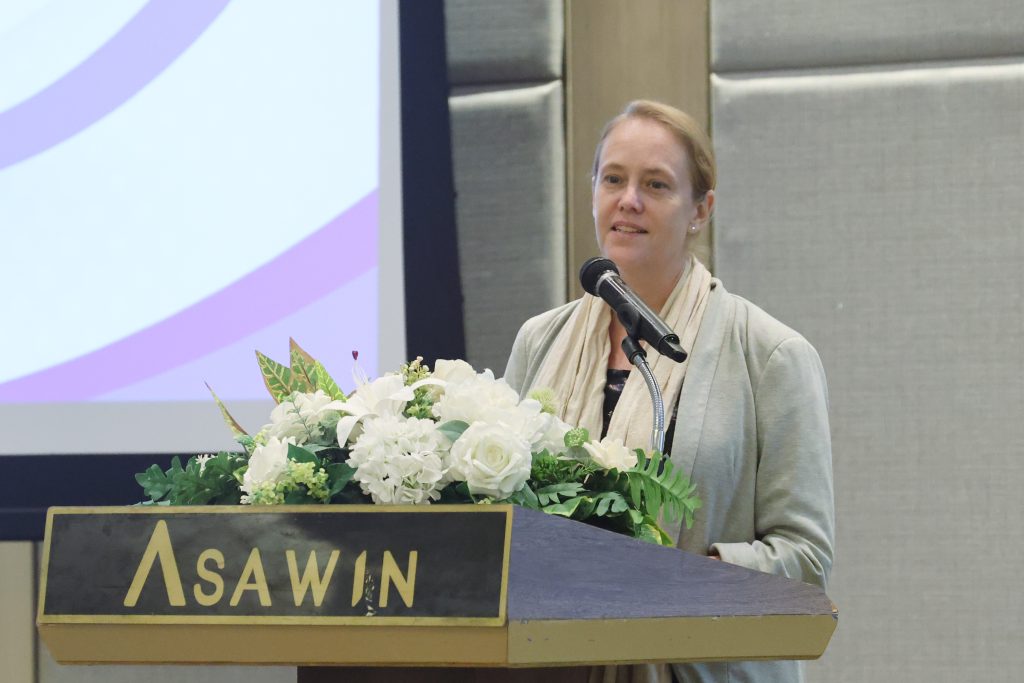
The launch marked not the end of the national ecosystem assessment process, but the beginning of a new chapter—one in which science, policy, and society work together to secure a resilient, productive, and nature-positive future for Thailand’s marine and coastal ecosystems.
The Thailand National Ecosystem Assessment was supported by UNEP-WCMC in collaboration with BES-Net which is jointly implemented UNDP, UNEP-WCMC and UNESCO funded by the German Federal Ministry for the Environment, Climate Action, Nature Conservation and Nuclear Safety (BMUKN) through its International Climate Initiative (IKI).